Naples, Florida · Physician-supervised
Hormone therapy for men and women, supervised by a physician with 41 years of practice.
Testosterone-centered hormone therapy from Kathleen Broderick, MD, FACP, a board-certified internist in downtown Naples. She takes your history, reads your labs, sets your dose, and follows you herself — for your hormones, and for the rest of your health.
Or call the office at (239) 263-2200 · 700 Second Avenue North, Suite 204, Naples, FL 34102

- Board-certified, internal medicine
- Fellow, American College of Physicians
- Albany Medical College, MD 1985
- Mayo Clinic & Memorial Sloan Kettering
- 41 years in practice
- English & Spanish
- Accepting adult patients
What we do
Testosterone is a treatment. The question is who is watching over the treatment.
Testosterone is a treatment for low energy, low libido, poor sleep, and lost muscle. It is also a drug — it requires oversight. At Naples Vital Hormone both halves of that sentence get equal attention.
-
For men
Low energy, low libido, less muscle, more belly fat, poor sleep, a flat mood. Testosterone replacement therapy (TRT), prescribed from your labs and monitored by Dr. Broderick over time, restores what's missing.
Hormone therapy for men -
For women
You will benefit greatly: vitality, sex drive, sleep, bones, muscle — suddenly you are a dynamo. Testosterone, carefully dosed and supervised, with estrogen added when your symptoms call for it.
Hormone therapy for women -
Physician-supervised
Dr. Broderick evaluates every patient herself: history, medications, labs, and the risks that matter, including prostate, breast, blood counts, and heart. Doses are individualized and reviewed as you go, and you see the doctor, not a sales desk.
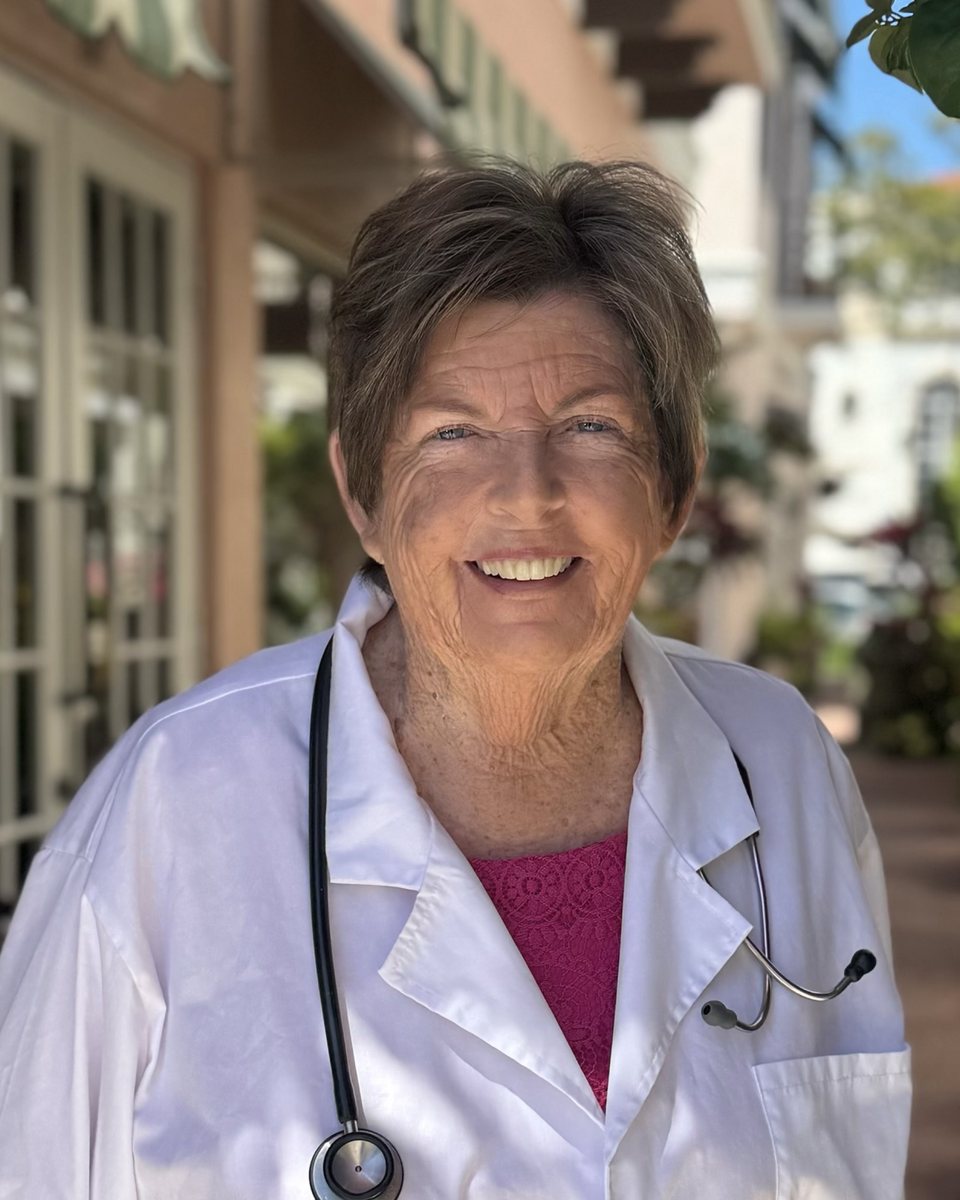
About Dr. Broderick
How it works
Three steps, one doctor.
No online quiz, no subscription funnel. You see Dr. Broderick in person in downtown Naples, and the plan is built from your own results.
-
Text, call, or walk in
Text 239-248-2242 with your name, date of birth, and “appointment request,” or walk in Wednesdays between 3 and 4 PM. Bring your medications in their bottles and any records you have. If you prefer, the office can mail intake forms to you before your visit.
-
History, exam, and labs
Dr. Broderick takes your history, examines you, and reads your laboratory work — hormone levels, blood counts, thyroid, and vitamins — along with the screening questions below. Lab draws are done at the office or in your home. As an internist, she also looks for other causes of your symptoms.
-
An individualized plan
Your dose is set from your results, with a candid talk about diet, exercise, and side effects. Follow-up visits — history, exam, blood tests, and medication renewal — run every two to three months at first, then become less extensive.
Is testosterone right for you?
Before anything is prescribed, Dr. Broderick asks about the things that make hormones unsafe.
Some answers rule testosterone out. Others change the dose or how closely you are monitored. None of them are trick questions: answering candidly is how you get a treatment that helps you and doesn't hurt you. Your answers are confidential.
If you already know one of these applies to you, it is still worth a conversation. Dr. Broderick treats adults for the whole range of internal medicine and can often address the underlying problem first.
What to bring to your first visitScreening questions for every patient
- Do you intend to conceive a child?
- Do you have a prostate nodule, prostate cancer, an elevated PSA, or breast cancer?
- Any cancer, now or in the past?
- Any blood disease — anemia or an increased blood count?
- Heart problems: atrial fibrillation, heart attack, heart failure, or stroke?
- Have you taken hormones before?
- What medications are you taking now?
Also offered
Testosterone is the main drawer. It isn't the only one.
-
Hair-loss treatment
Prescription hair creams to prevent or mitigate male-type hair loss are offered from the beginning, not after the fact.
-
Estrogen & progesterone
For menopause symptoms, estrogen can be added — with progesterone when the uterus is intact. Details for women
-
Medical weight loss
Weight-loss treatment is available for patients who qualify, as part of the diet and exercise discussion that is built into every hormone plan.
-
Second opinions & consultations
Dr. Broderick is accepting adult patients for second opinions, consultations, and complete history and physicals, whether or not hormones are the reason you came.
Visit
Downtown Naples, one office, one doctor.
700 Second Avenue North, Suite 204 Naples, Florida 34102Office: (239) 263-2200
Get directions
Patients come from across Naples and Collier County, including Marco Island, Bonita Springs, and Estero. Visits are in person; Dr. Broderick sees you herself, and lab testing is done at the office or in your home.
Book a visit
Text 239-248-2242
Send your name, date of birth, and “appointment request.” The office will reply with a time.
Walk-ins: Wednesdays, 3–4 PM.
Bring: your medications in their bottles and any medical records.
Questions & answers
Questions people ask before their first visit
Do I need an appointment, or can I walk in?
Either. Text 239-248-2242 with your name, date of birth, and “appointment request,” and the office will reply with a time. Or walk in Wednesday between 3 and 4 PM at 700 Second Avenue North, Suite 204, in downtown Naples. Bring your medications in their bottles and any medical records you have.
Do you treat women as well as men?
Yes. Dr. Broderick prescribes testosterone for both men and women, with separate protocols and screening for each. For women, she also offers estrogen and progesterone when menopause symptoms call for them, after checking for conditions that would make hormones unsafe.
How is testosterone given?
By pellets or injection. The form and dose are determined at your visit from your laboratory results; women's doses are a small fraction of men's.
Will I need blood tests?
Yes. Blood tests are read together with your symptoms — and they are how problems are avoided. Baseline testing covers hormone levels, blood counts, thyroid, vitamins, and, for men, a PSA. Visits run every two to three months at first — history, exam, blood tests, and medication renewal — then become less extensive. Lab draws are done at the office or in your home.
Does testosterone affect fertility?
YES. Tell Dr. Broderick if you intend to conceive a child — it is one of the first questions she asks, and it changes the plan.
What are the side effects?
For men: acne, fluid retention, thicker blood, a fall in fertility, and effects on the prostate that need monitoring. For women: acne and unwanted hair growth; testosterone may also raise cholesterol. Evidence on heart risk is mixed and still evolving, which is why heart history is part of screening.
Do you take insurance?
No — insurance is not billed. Payment is by cash or credit card, and the office will tell you what to expect for the visit, labs, and medication before your first appointment.